admin@yugongequipment.com



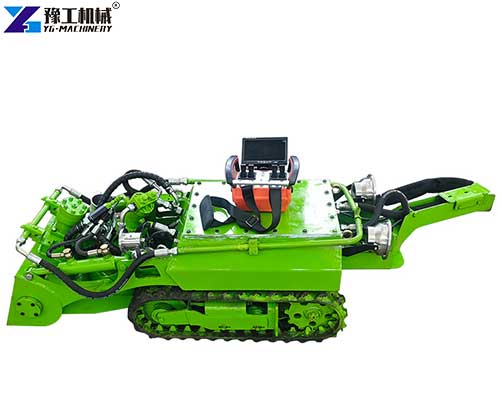
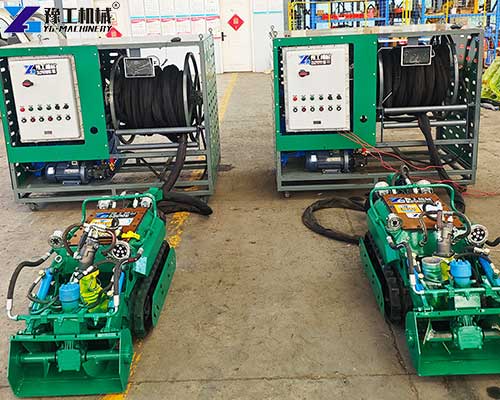
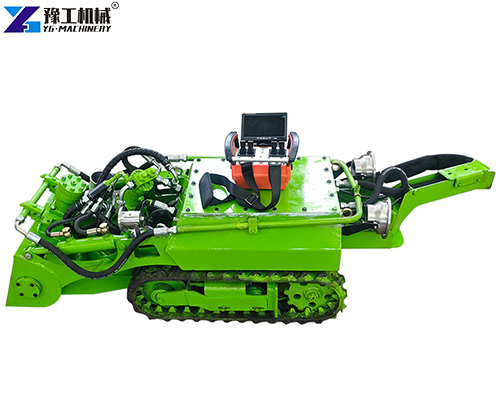
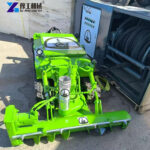
The underwater dredging robot is an intelligent device designed for underwater dredging. It is 1.2 meters long and weighs only 120 kilograms, and can easily enter narrow waters. Equipped with a double-screw propeller, it can move underwater at a speed of 2.5-4 km per hour. This dredging robot is easy to operate. The staff can control it through a tablet computer, and the screen displays the underwater scene in real time. There is no need to build a complex operating platform, and it can be started in 20 minutes after unpacking. Looking for a powerful dredging robot? Click the button below to get a competitive price!
Underwater Dredging Robot Parameter
| Model | YG500 Electric | YG600 Electric | YG700 Electric | YG800 Electric | YG900 Electric | YG1200 Electric |
| Robot Dimensions | 1500×500×650 mm | 1500×600×650 mm | 1600×700×650 mm | 1600×850×700 mm | 1650×960×750 mm | 1900×1200×750 mm |
| Slurry Pump Model | 3E-100Z170 | 3E-100Z170 | 4E-250ZJ45 | 4E-250ZJ45 | 4E-250ZJ45 | 4C-200Z125 |
| Cleaning Width | 500 mm | 600 mm | 700 mm | 800 mm | 900 mm | 1200 mm |
| Track Speed | 3–15 m/min | 3–15 m/min | 3–15 m/min | 3–15 m/min | 3–15 m/min | 3–15 m/min |
| Robot Weight | — | — | — | — | — | 500 kg |
| Pump Inlet Size | 3 inch | 3 inch | 4 inch | 4 inch | 4 inch | 5 inch |
| Pump Flow Rate | 100 m³/h | 100 m³/h | 160 m³/h | 160 m³/h | 200 m³/h | 200 m³/h |
| Pump Head | 0–30 m | 0–30 m | 0–25 m | 0–25 m | 0–25 m | 0–25 m |
| Hydraulic Station Dimensions | 2200×1200×1700 mm | 2200×1200×1700 mm | 2200×1200×1700 mm | 2200×1200×1700 mm | 2200×1200×1700 mm | 2120×1240×1200 mm |
| Main Motor Power | 18 kW | 18 kW | 22 kW | 22 kW | 22 kW | 45 kW |
| Hydraulic System Pressure | 0–16 MPa | 0–16 MPa | 0–16 MPa | 0–16 MPa | 0–16 MPa | 0–16 MPa |
| Max Particle Size | 15 mm | 15 mm | 40 mm | 40 mm | 50 mm | 60 mm |
| Winch Speed | 0–10 r/min | 0–10 r/min | 0–10 r/min | 0–10 r/min | 0–10 r/min | 0–10 r/min |
| Standard Hydraulic Hose Length | 50 m | 50 m | 50 m | 50 m | 50 m | 50 m |
| Control System | Wireless Remote Control | Wireless Remote Control | Wireless Remote Control | Wireless Remote Control | Wireless Remote Control | Wireless Remote Control |
| Lighting System | 2× Underwater LED Lights | 2× Underwater LED Lights | 2× Underwater LED Lights | 2× Underwater LED Lights | 2× Underwater LED Lights | 2× Underwater LED Lights |
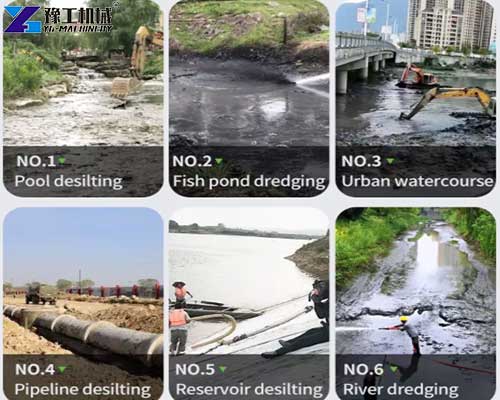
What Occasions Can the Dredging Robot Clean up the Silt?
- Reservoir silt will affect the water storage capacity. The dredging robot for reservoir clearing can dive into a 20-meter deep water area, break up the hard mud layer through high-pressure water flow, and then use a vacuum suction tube to suck away the silt. One device can clean 300 cubic meters per day, which is 10 times faster than a manual team.
- The river has many bends and debris. The underwater dredging robot is equipped with an obstacle avoidance sensor, and it will automatically bypass stones and branches. It can clean along the river without damaging the embankment.
- The sedimentation tank sludge in the sewage treatment plant is sticky. The dredging robot for reservoir clearing is equipped with a special scraper that can scrape the sludge at the bottom of the pool into mud and then quickly suck it away. After cleaning, the sedimentation tank capacity can be restored to more than 80%.
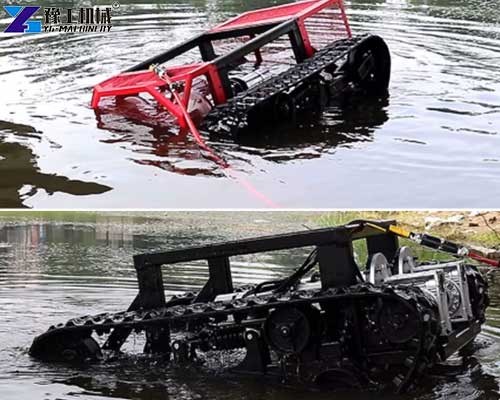
Structural Features of an Underwater Robotic Dredge
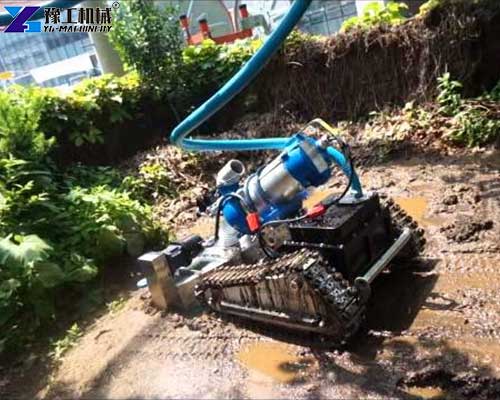
The underwater robotic dredge has three core components.
- The top is a waterproof control cabin with a built-in smart chip that can store 10 dredging solutions for common waters.
- The middle is the power cabin, with dual motors providing strong power and a battery life of up to 8 hours. The bottom is the operating cabin, equipped with an adjustable straw and a rotating blade.
- Its shell is made of high-strength aluminum alloy, which is light and corrosion-resistant. Double-layer sealing rings are used at the joints, and there will be no water leakage during underwater work.
All components are modularly designed and can be quickly replaced if they are broken, with extremely low maintenance costs.
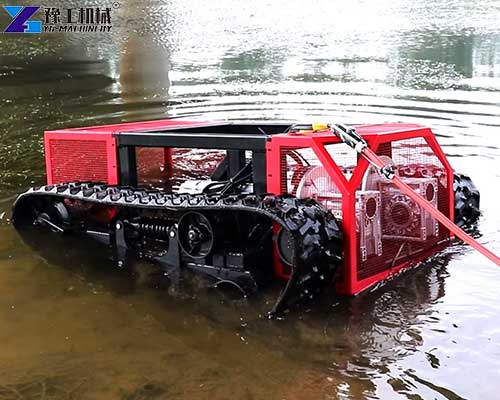
Performance Characteristics of the Tank Cleaning Robot
- Underwater dredging robots have strong adaptability. They can work normally at water temperatures of 0-40℃, and even turbid water will not affect positioning. Its suction capacity reaches 50 cubic meters per hour, and the moisture content of silt can be reduced to below 60%.
- The dredging robot also has an intelligent planning function. After entering the size of the water area, it will automatically generate the optimal dredging route without repeating operations. In case of emergencies, pressing the emergency button will immediately float up, which is extremely safe.
- Tank cleaning robots have low energy consumption. It consumes only 5 degrees of electricity per hour, which is equivalent to a household air conditioner. Working continuously for 8 hours, the electricity bill is less than 50 yuan.
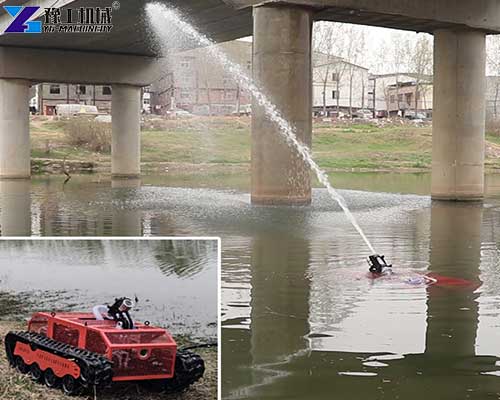
Why Use Rubber-Tracked Underwater Dredging Robot?
- Using dredging robots can greatly reduce labor costs. Traditional dredging requires a team of 10 people, but now 1 person can operate the equipment. It saves labor insurance, food, and accommodation costs, and the equipment cost can be recovered in half a year.
- It can reduce the impact of dredging on the environment. The noise level during operation is less than 60 decibels, which will not disturb the surrounding residents. The silt collection rate is 95%, which will not cause secondary pollution.
- It can shorten the dredging period. The project that originally took 1 month can now be completed in 1 week. The water function is restored in advance, and economic losses are reduced.
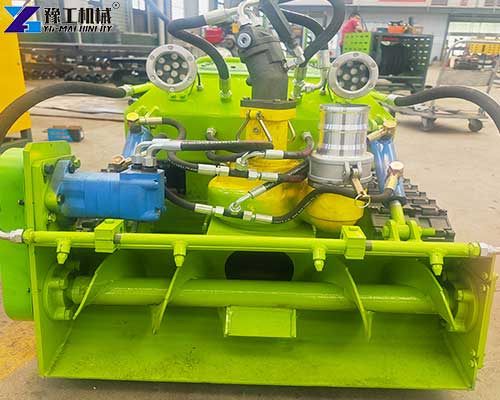
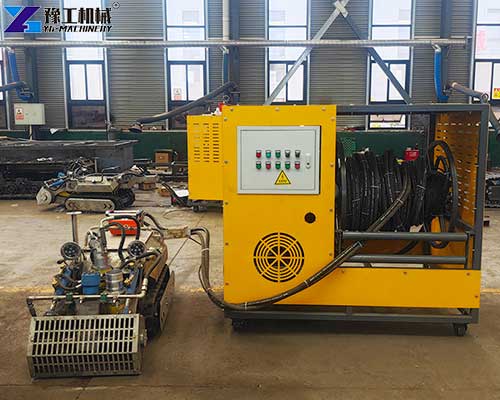
Tank Cleaning Robot Sold to the United Arab Emirates
Project Background
A municipal water authority in the UAE has long struggled with a tough problem: massive sludge, sand, gravel, and domestic waste have built up in the city’s drainage pipelines and rainwater collection systems. The local climate is hot and dry, and sudden heavy rains cause poor drainage that easily leads to urban flooding, severely disrupting city traffic and residents’ daily lives.
In the past, they relied on manual entry into manholes for cleaning. This method is not only low-efficiency but also carries severe safety risks. Workers face life-threatening hazards, including toxic gas, confined-space work, and extreme heat. The client urgently needed an efficient, safe cleaning solution that keeps staff out of manholes.
Solution
After extensive comparisons and technical evaluations, the customer finally picked the YG brand tank cleaning robot, model YG800. With an 800 mm cleaning width, this robot can easily access drainage pipes and box culverts with an inner diameter of over 800 mm under major urban roads in the UAE. Its ultra-large suction flow of 160 cubic meters per hour quickly removes hardened sludge accumulated over the years. A maximum passing particle size of 40 mm ensures the pump never clogs, even when mixed with sand, gravel, and small debris.
Operation Process
YG’s technical team delivered full on-site training and customized operation plans for the client: Step 1: Lower the robot into the manhole. Use lifting gear to steadily lower the YG800 into the inspection well. The robot has a moderate weight and a tracked travel system for flexible movement inside pipelines.
Step 2: Wireless remote operation. Operators stay in a safe area on the ground and use a wireless remote controller to drive the robot forward, backward, turn, and adjust cleaning angles. Underwater LED lights on both sides supply ample illumination for the underwater camera, letting operators view pipeline conditions in real time.
Step 3: High-density sludge extraction. The robot’s built-in 4-inch slurry pump crushes sludge and pumps it out to transport tank trucks on the ground. Even under the UAE’s high temperatures, the hydraulic system runs steadily with well-controlled temperature rises.
Step 4: Pipeline re-inspection.Once cleaning finishes, the robot travels back through the pipeline. Its built-in camera checks the cleaning result to guarantee no leftover dirt.
Project Outcomes
After a three-week trial run, the YG800 cleaned around 2.3 kilometers of drainage pipelines and extracted over 600 tons of sludge and sediment. Below are the core benefits shared by the customer:
| Comparison Item | Manual Cleaning | YG800 |
| Daily Cleaning Length | 20–30 meters | 120–150 meters |
| Required Staff | 6–8 workers (including safety supervisors) | 2 people (operator + assistant) |
| Manhole Entry Risks | High (toxic gas, collapse hazards) | Zero (fully remote control) |
| Cleaning Quality | Uneven and incomplete, dependent on workers’ experience | Visualized operation, thorough and consistent |
YG Is a Professional Dredging Robot Manufacturer
YG has been producing sludge cleaning robots for 10 years. We have a 20-person R&D team and invest 15% of sales annually in technology upgrades. The dredging robots produced have passed international quality certification and are exported to more than 30 countries. We have a variety of dredging robots for sale. The small model is suitable for pond dredging; the large model can cope with reservoir projects and has a high cost-effectiveness. YG’s sludge cleaning robot is an innovator in the dredging industry. It is efficient, cost-effective, safe, and can solve various dredging problems. Consult now to get exclusive quotes and dredging solutions.