admin@yugongequipment.com



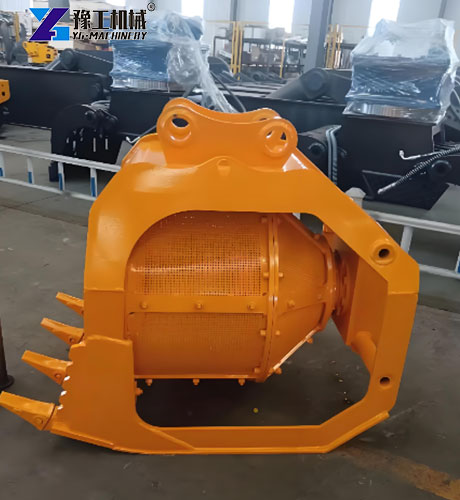
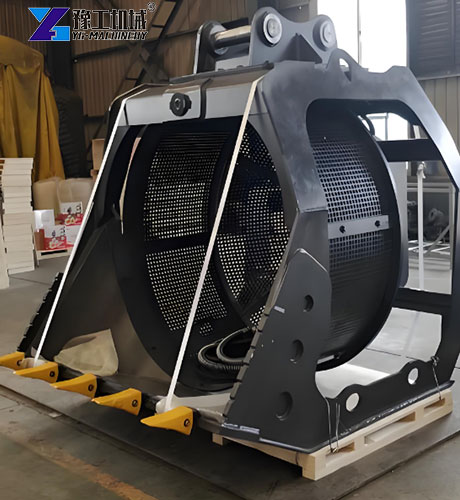
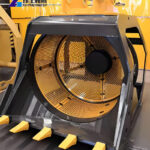
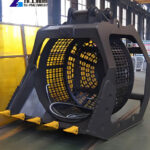
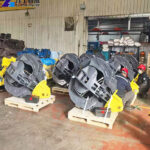
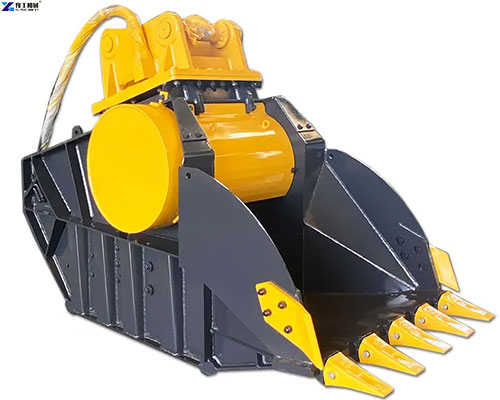
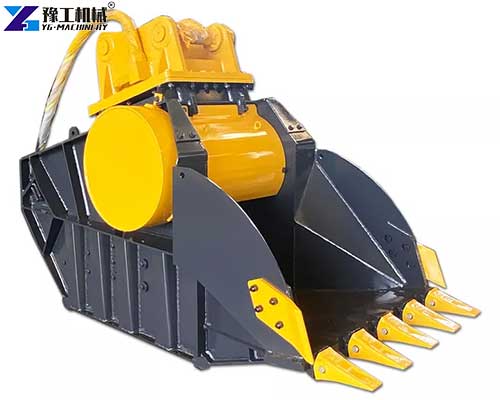
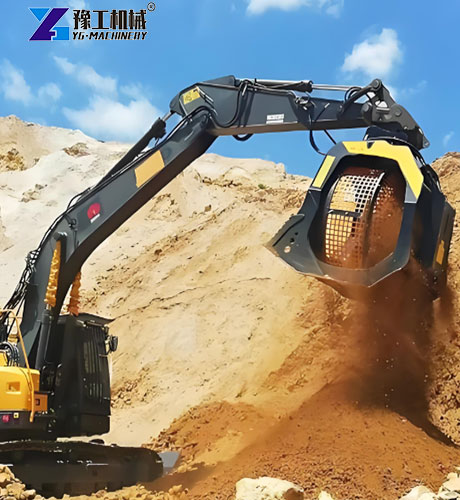
In Melbourne, Australia, a site clearance company recently purchased a YG-12 hydraulic screening bucket for processing mixed construction waste. The company’s director, Chris Thompson, stated that as local waste transfer stations raise requirements for material cleanliness, the disposal cost of mixtures containing soil, stones and construction waste has been continuously increasing. After comparing multiple options, he ultimately chose YG’s hydraulic screening bucket to enable excavators to complete on-site material separation, thereby reducing the amount of waste transported for disposal.【WhatsApp/WeChat/Phone】+86 13837122632
Parameters of Rotating Screening Bucket
| Product Model | YG-03 | YG-06 | YG-12 | YG-16 |
| Suitable Excavator (T) | 5-10 | 10-18 | 18-25 | 20-30 |
| Total Weight (KG) | 500 | 950 | 1500 | 1800 |
| Bucket Capacity (m³) | 0.3 | 0.6 | 1.2 | 1.6 |
| Working Pressure (MPa) | 20 | 20 | 20 | 20 |
| Recommended Flow (L/min) | 60 | 80 | 140 | 200 |
| Screen Hole Size | 5-50 | 5-80 | 5-100 | 5-120 |
Project Background
Prime Earthworks specializes in residential site clearance in Melbourne’s southeast suburbs, including vegetation removal, tree root excavation and site leveling. Materials excavated during operations are mostly mixtures of soil, gravel, concrete blocks and organic matter.
In the past, Chris transported all materials to waste dumps. However, local waste dumps have adjusted their fees in the past two years: clean fill soil is accepted at a low price, while mixed waste is charged at a high rate, and shipments with excessively high contamination rates are rejected. This means that without on-site separation, transportation and disposal costs will rise significantly.
Chris then began to focus on screening attachments for excavators, hoping to find equipment that could separate soil and stones on site to reduce transportation volume and disposal costs.
Why Choose YG Hydraulic Screening Bucket?
The final decision to select YG’s rotating screening bucket was based on the following considerations:
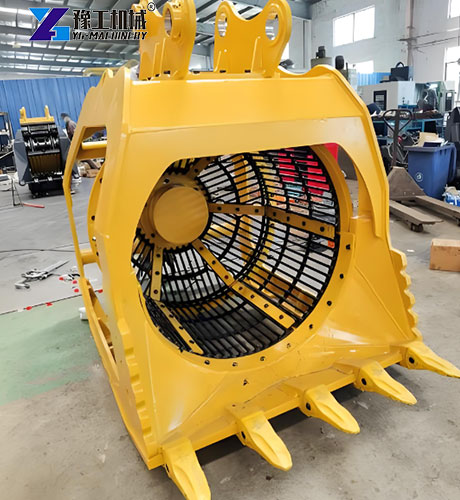
- Material and craftsmanship: The tooth tips and internal protection of YG’s rotating screening bucket are made of wear-resistant steel, with exquisite welding. For handling working conditions involving concrete blocks and gravel, wear resistance and welding quality directly affect service life.
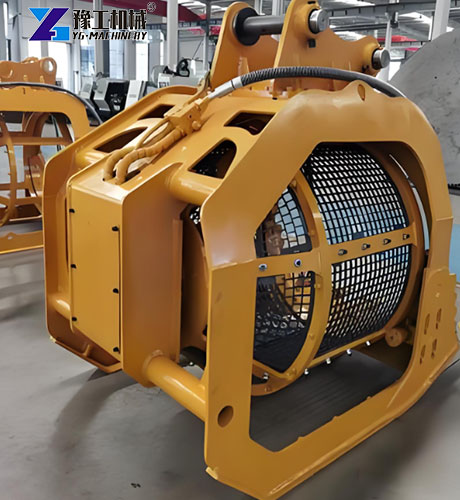
- Screen design: YG uses stainless steel screens with smooth mesh edges that are not prone to clogging. After half an hour of continuous operation, clogging is not obvious, and screening efficiency remains good.
- Ease of replacement: Convenient replacement means quick adjustment of screen mesh size, reducing downtime.
Practical Applications of Hydraulic Screening Bucket
This YG-12 hydraulic screening bucket is installed on a 20-ton Caterpillar excavator and has participated in three projects over the past two months. The actual application is as follows:
- Project 1: Clayton Residential Site Clearance: Approximately 300 cubic meters of mixed materials were on site, including topsoil, broken bricks and concrete blocks. The operator shoveled materials into the screening bucket; soil smaller than the mesh size was thrown out, leaving bricks and stones. The soil was used for low-lying area backfilling, and the stones were stockpiled for future use. Only a small amount of debris needed to be transported externally, reducing transportation trips by about one-third compared to before.
- Project 2: Dandenong Fill Soil Treatment: The site was an old landfill with complex material composition, including plastic bags, rags, branches mixed with soil. The excavator screener function of YG’s screening bucket performed normally; most of the soil was screened out, and debris remained in the bucket. Plastic bags occasionally tangled but were easy to clean. The screened soil was approved by the client for on-site backfilling.
- Project 3: Mornington Peninsula River Dredging: River materials were a mixture of sediment and pebbles. The operator used the rotating screening bucket to separate sediment, and pebbles were retained in the bucket and unloaded on the riverbank for later use in slope protection. Pausing for water drainage was necessary when materials had high moisture content, but overall screening efficiency was acceptable.
Customer Feedback on Hydraulic Screening Bucket
After two months of use, Chris gave an initial evaluation of YG’s hydraulic screening bucket, stating that it basically met the procurement expectations:
- Reduced external transportation: In the Clayton project, about two-thirds of the mixed materials that originally needed to be transported were retained after screening. Transportation trips decreased from the expected 15 to 5, correspondingly reducing fuel costs and disposal fees.
- Low operation difficulty: Operators mastered the feeding rhythm proficiently after a few days of adaptation. Chris said the operators reported that it was easy to use, requiring no additional training.
- Stable equipment operation: No obvious failures or abnormal wear occurred during two months of operation. The hydraulic system matched the excavator well, with no flow mismatch issues.
Contact Us
If you are interested in YG’s excavator screener and want to know how different models can adapt to your excavator, please feel free to contact the YG team. We can provide model selection suggestions and reference cases based on your excavator type, working conditions and processing requirements.【WhatsApp/WeChat/Phone】+86 13837122632