admin@yugongequipment.com


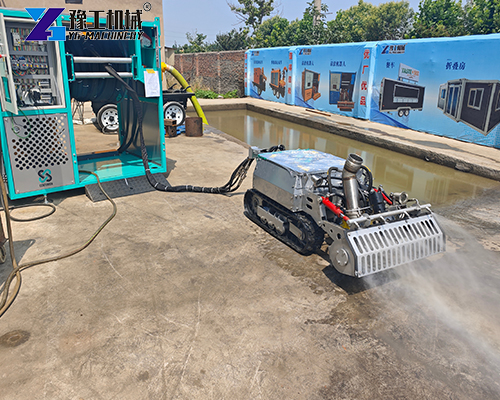
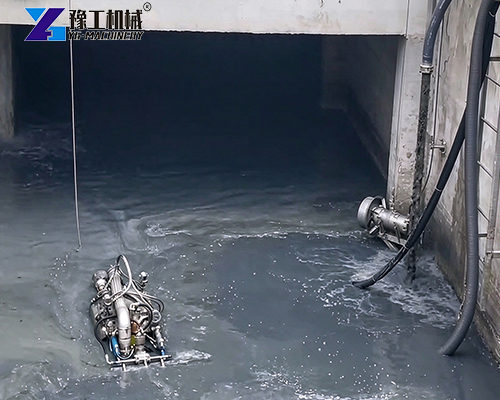
Sediment buildup in pipelines, storage tanks, and water bodies never goes away on its own. Whether municipal drainage systems face flood risks, industrial plants handle hazardous sludge inside closed tanks, or water conservancy projects restore contaminated lake-bottom sediments, the core challenge remains the same: how to remove sediment efficiently without endangering personnel safety, disrupting normal operations, or causing secondary environmental pollution. A crawler dredging robot is built to solve exactly this problem. Unlike traditional dredging methods that require workers to enter confined spaces or shut down and drain the system, this remote-controlled tracked platform can work at water depths from 30 to 90 meters — breaking up, collecting, and pumping sludge, while operators stay safely on the ground. This article details the technical parameters defining this platform, why traditional methods are being replaced, the capabilities qualified equipment must have, how to select models according to working conditions, and how to calculate the true total cost of ownership.
In-Stock Models Ready to Ship – See What’s Available
Product Parameters — Technical Foundation of the Crawler Dredging Robot Platform
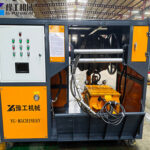
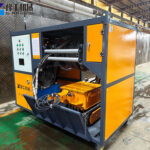
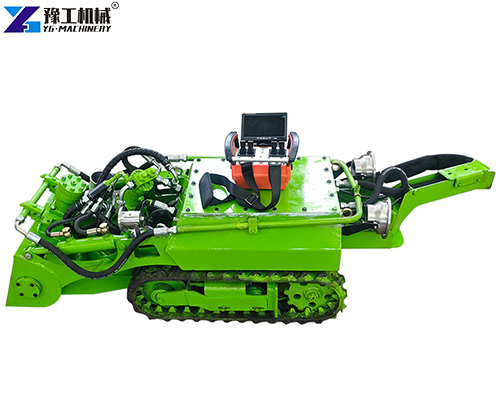
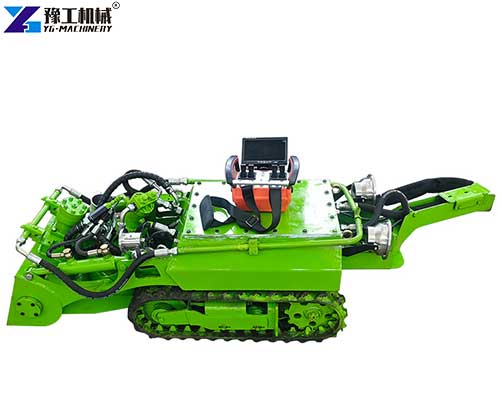
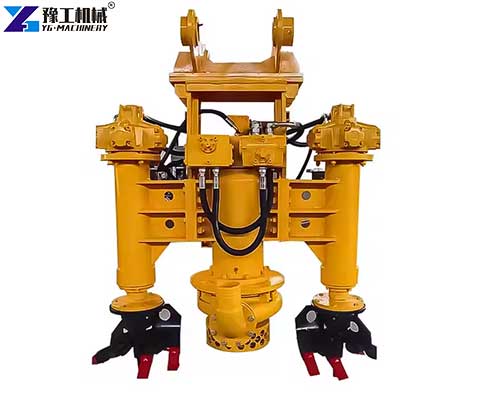
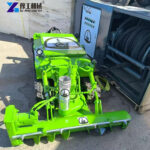
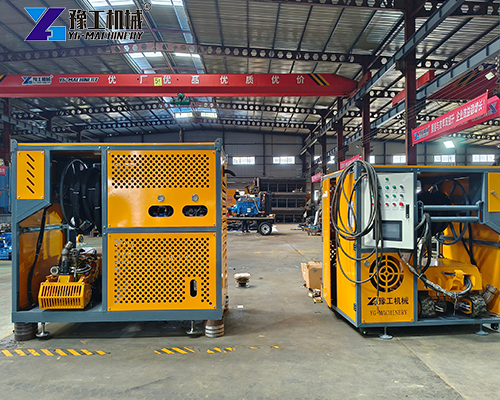
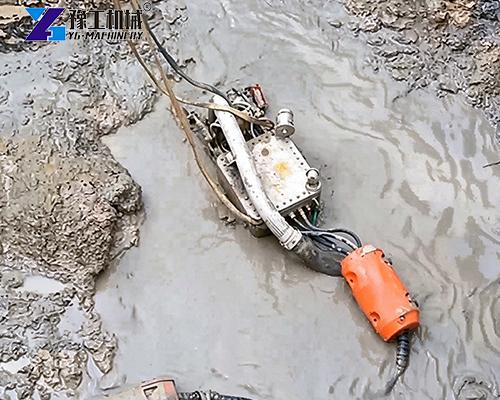
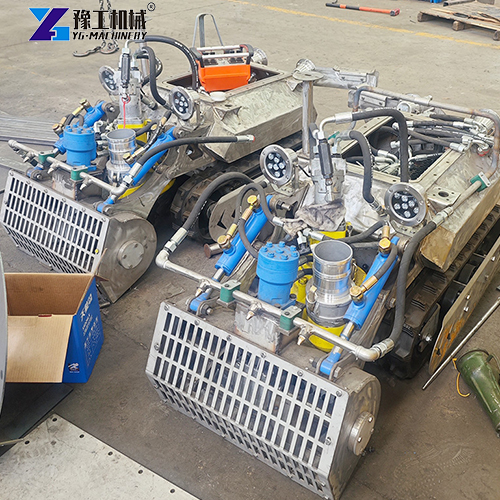
Before discussing applications and selection logic, let’s clarify the basic technical requirements. The underwater dredging robot system consists of four integrated modules: underwater working unit (tracked chassis with replaceable working heads), workstation (hydraulic power pack and control cabinet), post-processing unit (solid-liquid separation and waste reduction), and pipeline system (control cables and slurry delivery hoses).
The current product line covers 6 electric models (YG500 to YG1200), plus diesel-powered versions for sites without a stable power supply. All models can be equipped with both electric and diesel power options. Optional features include: explosion-proof motors (essential for chemical plant zones), high-definition cameras (for improved visual control), and high-pressure water pumps (to boost cleaning performance).
| Model | YG500 Electric | YG600 Electric | YG700 Electric | YG800 Electric | YG900 Electric | YG1200 Electric |
| Robot Dimensions | 1500×500×650 mm | 1500×600×650 mm | 1600×700×650 mm | 1600×850×700 mm | 1650×960×750 mm | 1900×1200×750 mm |
| Slurry Pump Model | 3E-100Z170 | 3E-100Z170 | 4E-250ZJ45 | 4E-250ZJ45 | 4E-250ZJ45 | 4C-200Z125 |
| Cleaning Width | 500 mm | 600 mm | 700 mm | 800 mm | 900 mm | 1200 mm |
| Track Speed | 3–15 m/min | 3–15 m/min | 3–15 m/min | 3–15 m/min | 3–15 m/min | 3–15 m/min |
| Robot Weight | — | — | — | — | — | 500 kg |
| Pump Inlet Size | 3 inch | 3 inch | 4 inch | 4 inch | 4 inch | 5 inch |
| Pump Flow Rate | 100 m³/h | 100 m³/h | 160 m³/h | 160 m³/h | 200 m³/h | 200 m³/h |
| Pump Head | 0–30 m | 0–30 m | 0–25 m | 0–25 m | 0–25 m | 0–25 m |
| Hydraulic Station Dimensions | 2200×1200×1700 mm | 2200×1200×1700 mm | 2200×1200×1700 mm | 2200×1200×1700 mm | 2200×1200×1700 mm | 2120×1240×1200 mm |
| Main Motor Power | 18 kW | 18 kW | 22 kW | 22 kW | 22 kW | 45 kW |
| Hydraulic System Pressure | 0–16 MPa | 0–16 MPa | 0–16 MPa | 0–16 MPa | 0–16 MPa | 0–16 MPa |
| Max Particle Size | 15 mm | 15 mm | 40 mm | 40 mm | 50 mm | 60 mm |
| Winch Speed | 0–10 r/min | 0–10 r/min | 0–10 r/min | 0–10 r/min | 0–10 r/min | 0–10 r/min |
| Standard Hydraulic Hose Length | 50 m | 50 m | 50 m | 50 m | 50 m | 50 m |
| Control System | Wireless Remote Control | Wireless Remote Control | Wireless Remote Control | Wireless Remote Control | Wireless Remote Control | Wireless Remote Control |
| Lighting System | 2× Underwater LED Lights | 2× Underwater LED Lights | 2× Underwater LED Lights | 2× Underwater LED Lights | 2× Underwater LED Lights | 2× Underwater LED Lights |
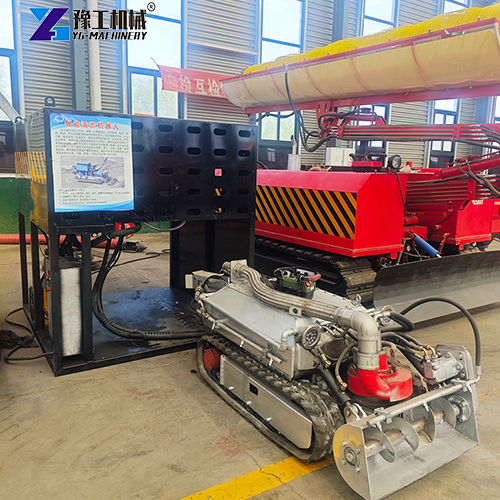
Why More Projects Are Re-evaluating Traditional Dredging Solutions
Traditional sludge and sediment removal has long relied on a limited set of methods: workers entering confined spaces to remove waste with shovels and buckets, vacuum trucks pumping mud-water mixtures, or full system draining followed by mechanical excavation. The drawbacks of these methods are becoming increasingly unacceptable.
- Personnel safety risks. When dredging inside confined spaces, workers are exposed to toxic gases. Hydrogen sulfide, methane, and oxygen-deficient conditions are common in sewer manholes, sedimentation tanks, and industrial storage tanks. Even with ventilation gear and safety ropes, poisoning and suffocation hazards remain. A sludge cleaning robot completely removes this risk: operators control the unit wirelessly from the ground and never enter hazardous zones.
- Operational disruption. Draining sedimentation tanks, settling basins, or industrial tanks for cleaning means shutting down the unit. At wastewater treatment plants or chemical factories, this may trigger chain problems: reduced production capacity, overflow bypass, or environmental compliance issues. A crawler dredging robot is designed for “operation without shutdown”: pumps keep running, tanks stay full, and dredging works alongside normal production.
- Environmental impact. Manual and mechanical dredging often stirs up large amounts of suspended solids. The resulting secondary pollution can be worse than the original sediment problem. An underwater dredging robot handles sediments through controlled extraction and post-processing systems, separating mud and water at the source. It minimizes water turbidity, cuts the volume of waste for disposal, and supports resource recovery of separated materials.
- Hidden costs from repeated operations. Traditional methods rarely clean thoroughly. Sediments remain in corners, along walls, and areas unreachable by hand tools. This causes sediment to build up faster and increases cleaning frequency. A sludge cleaning machine uses tracked mobility and adjustable working heads to systematically cover the entire bottom area, fundamentally lowering the frequency of repeated dredging work.
Lock In Today’s Factory Price – Request a Quote Now
What Should a Qualified Crawler Dredging Robot Have?
When evaluating a crawler dredging robot, whether for in-house purchase or project bidding, the following capabilities decide if the system can reliably perform the job:
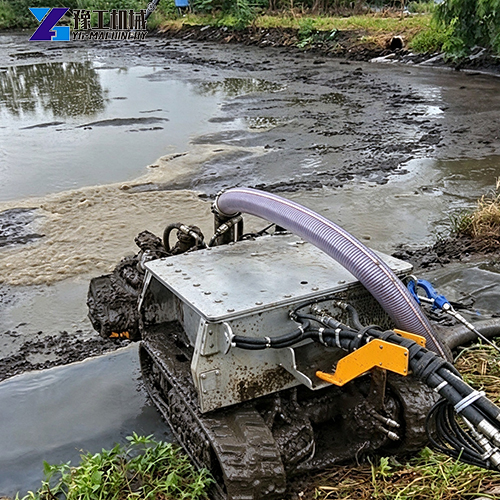
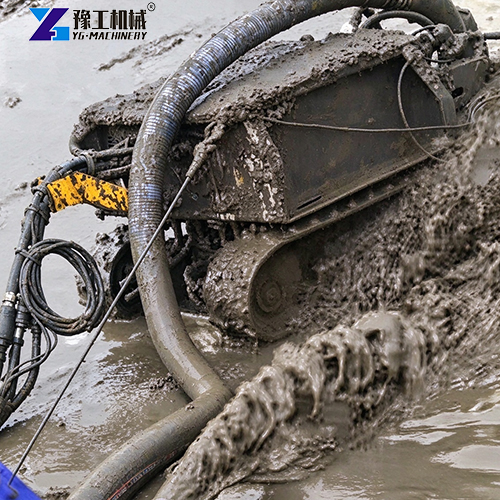
- Reliable underwater tracked travel system. Operations take place underwater, where the ground is usually soft sediment, debris, and uneven surfaces. Wheeled systems slip or get stuck. The tracked chassis provides enough ground contact area and traction to move steadily on variable underwater terrain. Adjustable speed from 3–15 m/min lets operators balance coverage efficiency and cleaning completeness flexibly.
- Multiple working heads for different materials. Sediments are not uniform substances. Soft sludge in municipal sediment tanks, hardened deposits in industrial pipelines, debris buildup in stormwater pipes — each needs a different treatment approach. A capable system should offer interchangeable working heads: agitation suction heads for soft materials, auger crushing heads for compacted hard sediments, opening-closing grabbing arms to catch debris, and buckets or fork buckets to remove solid waste.
- Sufficient pumping capacity and head. The slurry pump must handle the total mud-water mixture generated during dredging and deliver it through pipelines to the post-processing unit. Flow rates from 100 m³/h (YG500/YG600) to 200 m³/h (YG900/YG1200) cover most municipal and industrial applications. A maximum 30-meter head meets vertical discharge requirements for deep tanks and deep wells.
- Remote control system with stable communication. Wireless remote control comes standard on all models. But control link stability, camera feedback (optional), and underwater lighting determine whether operators can clearly see the environment and respond precisely. All models are fitted with underwater LED lights as standard; high-definition cameras are optional for projects requiring real-time video monitoring.
- Integrated post-processing system. The robot is only half of the complete solution. The post-processing unit completes mud-water separation, debris sorting, and waste reduction, turning extracted slurry into manageable waste. A full sludge cleaning machine system with integrated post-processing can meet the “no sludge landing” principle increasingly required by modern environmental regulations.
- Hazardous environment adaptability. For facilities with explosive atmospheres such as chemical plants and refineries, explosion-proof motors and intrinsically safe control systems are not optional extras — they are mandatory. Make sure your selected system holds certifications matching the hazardous zone classification.
How to Select Sludge Cleaning Robot Models Based on Working Conditions
Model selection depends on three factors: physical size of the space to clean, sediment type and total volume, and required processing capacity.
Small-diameter pipelines and manholes. For dredging small pipelines and municipal manholes, YG500 or YG600 are recommended. These two models are only 500–600 mm wide and can easily enter narrow pipeline spaces. The 3-inch pump inlet with a maximum passable particle size of 15 mm can handle fine sand and soft sludge commonly found in pipelines. The 18 kW main motor provides sufficient hydraulic power, and the standard 50 m hose covers most pipeline operation distances.
Municipal sedimentation tanks and drainage pools. For medium-sized sedimentation tanks, regulating tanks, or drainage pump stations, YG700 or YG800 are better choices. The 700–800 mm cleaning width covers large tank bottom areas within a reasonable time. The 4-inch pump inlet raises the maximum passable particle size to 40 mm, handling common gravel, hardened sediment blocks, and small debris at tank bottoms. The 22 kW main motor paired with a 160 m³/h flow rate meets processing demands for medium-scale dredging.
Large sedimentation tanks and industrial storage tanks. For large industrial sedimentation tanks, chemical storage tanks, or large-diameter pipelines, YG900 delivers stronger performance. Its 900 mm cleaning width, 200 m³/h pump flow, and 50 mm maximum passable particle size can handle coarse sediment, caked sludge, and mixed waste commonly seen in industrial settings. The 5-inch pump inlet ensures stable delivery of high-concentration slurry.
Riverbeds, reservoirs, and large open water bodies. For large-area, deep open-water projects including river dredging, reservoir sediment removal and port sediment treatment, YG1200 is the flagship option. Its 1200 mm cleaning width covers the largest area per unit time. The 60 mm maximum passable particle size can process riverbed pebbles and larger debris. The 45 kW main motor supplies abundant power for continuous heavy-duty work, and the 500 kg machine weight keeps stable movement in flowing water.
Key matching rules for cross-scenario model selection:
- Cleaning width should match the bottom area of the space. Using a large machine for small tanks wastes cost; a small machine for large tanks lacks efficiency.
- Maximum passable particle size must exceed the largest expected debris size in sediments, or the pump inlet will clog.
- Pump head must cover the vertical distance from working depth to discharge point. For sites deeper than 25 meters, confirm the model has extra head margin.
- Electric models suit sites with stable three-phase power. Diesel-powered versions are recommended for remote sites, open water, or temporary deployment without mains power access.
How to Calculate Crawler Dredging Robot Procurement Cost to Avoid Loss
The purchase price of a crawler dredging robot is only the starting point. Full total cost analysis should include:
- Base system cost. Robot body, hydraulic power station, standard pipeline kit (50 m hose), and post-processing unit. This is the core package.
- Optional upgrades. Explosion-proof motor upgrade, camera system, high-pressure water pumps, and extra working heads beyond standard supply. Each option adds cost, but do not cut critical configurations to save money if your site truly needs them.
- Consumables and wearing parts. Working head cutting teeth, pump impellers, track pads, and hydraulic seals are consumable items. Set aside budgets for regular replacement according to annual working hours and sediment abrasiveness.
- Deployment and logistics. Transportation to the job site, hoisting and lowering equipment (especially for deep wells and deep tanks), plus possible site preparation such as working platform construction.
Calculated this way, sludge cleaning machines often show obvious cost advantages over traditional methods. Not because the machine itself is cheap, but because it eliminates hidden costs such as confined space work permits, safety attendants, system shutdown, repeated dredging, and environmental remediation caused by incomplete cleaning.
Delivery, Training and After-sales Support
Buying a sludge cleaning robot system is not standard equipment procurement. It is a project-level investment requiring coordinated delivery, commissioning, and ongoing support.
- Delivery lead time. Standard models are normally delivered within 4–6 weeks after order confirmation. Custom configurations — especially those requiring explosion-proof certification or special working heads — may take 8–12 weeks depending on specification complexity.
- On-site commissioning. Qualified technicians must commission the system at the actual job site. This includes hydraulic system pressure testing, underwater track function verification, pump performance check, and remote control range testing.
- Operator training. At least 2–3 days of hands-on training is recommended, covering system assembly and disassembly, remote operation, working head selection and replacement, post-processing unit operation, basic troubleshooting, and daily maintenance procedures.
- After-sales warranty. Standard warranty lasts 12 months from delivery or 2000 working hours, whichever comes first. Spare parts supply, remote technical support, and on-site repair services are available via service agreements.
Contact YG
Crawler dredging robot represents a fundamental shift in dredging operations — moving from labor-intensive, high-risk, and highly disruptive traditional methods to a systematic, remote-controlled, and integrated new workflow. No matter your application: municipal pipeline maintenance, industrial tank cleaning, or large-scale hydraulic dredging, a properly configured platform delivers safer, more efficient, and more thorough results. Contact us and share your site conditions — tank or pipeline dimensions, sediment type, working depth, and required processing capacity. We will recommend the most suitable underwater dredging robot configuration for your project.